
How Advanced Fabric Technology Is Transforming Industrial Workwear
A high-visibility vest can help a worker be seen, but visibility is only one part of safety. On a hot roof, inside a fabrication shop, near energized equipment, or along a highway work zone, fabric has to do much more than stand out. It has to manage heat, resist hazards, move with the body, hold up to washing, and still feel wearable after a long shift.
That is where modern industrial workwear has changed the most. The old model treated clothing as a basic outer layer. The new model treats fabric as a performance system. Fibers, weaves, coatings, membranes, and finishes now work together to protect workers while reducing the daily friction that makes gear uncomfortable or inconsistent.
The result is a major shift in how companies think about uniforms, PPE, and jobsite apparel. The best garments are no longer just “compliant.” They are built around the actual work being done.
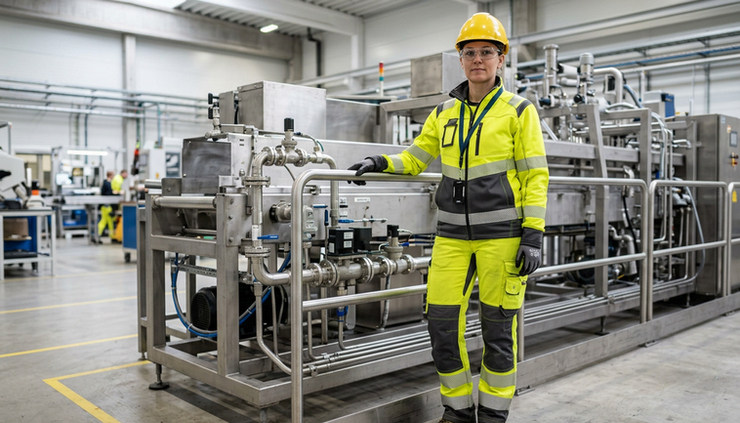
Fabric is becoming part of the safety system
Traditional workwear often focused on one visible feature, such as reflective tape, heavy cotton, or a bright color. That still matters, especially where ANSI/ISEA 107 high-visibility requirements apply. But many industrial hazards are less obvious than low visibility.
Heat stress, flash fire risk, arc flash exposure, abrasion, sharp edges, chemical splash, moisture buildup, and poor mobility can all affect safety. Advanced fabric technology helps address those risks at the garment level.
A well-designed work shirt, coverall, or jacket may include:
Flame-resistant fibers that help the fabric self-extinguish when exposed to flame
Arc-rated materials tested for electrical work environments
Moisture-wicking yarns that move sweat away from the skin
Stretch panels that reduce pulling and restriction
Cut-resistant fibers in sleeves, gloves, or high-contact zones
Water-resistant membranes that block rain while allowing some vapor to escape
Antistatic properties for environments where static discharge is a concern
Reinforced abrasion zones at knees, elbows, cuffs, and pockets
This is not about adding more bulk. In many cases, the goal is the opposite. Fabric engineers are trying to build garments that provide protection with less weight, less stiffness, and better heat release.
That matters because PPE only works when people wear it correctly and consistently. If a garment is too hot, too stiff, or too heavy, workers may unzip it, roll up sleeves, remove layers, or avoid it when supervision is not nearby. Better fabric design helps close the gap between written safety policy and real jobsite behavior.
Protection is getting more specific to the job
Industrial workwear used to be grouped into broad categories: shirts, pants, coveralls, jackets, and rain gear. Now, the better question is what hazard the garment needs to handle.
A utility worker faces different risks than a welder. A warehouse technician needs different movement and thermal comfort than a road crew member. A food processing worker has different laundering and contamination concerns than a refinery worker.
Fabric selection now reflects those differences more precisely.
Work environment | Fabric need | Common design response |
Electrical maintenance | Arc flash protection | Arc-rated shirts, pants, and outerwear tested to relevant standards |
Oil and gas work | Flash fire protection | Flame-resistant garments designed to meet applicable FR requirements |
Road and utility work | Visibility and weather protection | High-visibility fabrics, reflective trim, breathable rain layers |
Metal fabrication | Heat, sparks, and abrasion | Durable FR fabrics, reinforced zones, secure closures |
Warehousing and logistics | Mobility and comfort | Stretch fabrics, breathable panels, lighter layers |
Chemical handling | Splash resistance | Barrier fabrics or coated materials selected for the hazard |
The key is matching fabric performance to actual risk. A garment can look tough and still be wrong for the task. For example, a heavy untreated cotton shirt may feel durable, but that does not make it flame-resistant. A waterproof jacket may keep out rain, but if it traps heat during hard labor, it can create a different problem.
Standards help guide these choices. In the United States, workwear buyers often look at standards and guidance connected to ANSI/ISEA, ASTM, NFPA, and OSHA requirements, depending on the role and hazard. These standards do not replace a hazard assessment, but they give safety teams a way to compare garments with more confidence.
The best purchasing decisions begin with simple questions:
What is the primary hazard?
Is the protection required by regulation, company policy, or site rules?
Does the garment need to meet a recognized standard?
Will it be worn indoors, outdoors, or both?
How hot, wet, cold, or dirty is the work?
How often will the garment be washed?
Does the worker need high reach, kneeling, climbing, or fine motor movement?
When those answers come first, fabric technology becomes practical rather than decorative.
Comfort is now a safety feature
Comfort may sound secondary in industrial settings, but it has a direct effect on safety. When people can move, breathe, bend, and regulate temperature better, they are less distracted and less likely to modify their gear in unsafe ways.
This is why advanced fabric technology is reshaping industrial workwear from the inside out.
Moisture management keeps workers drier
Moisture-wicking fabrics pull sweat away from the skin and spread it across a wider surface area so it can evaporate more easily. This can help reduce the clammy feeling that comes from sweat-soaked clothing.
For workers in hot environments, that comfort gain can be significant. For workers in cold environments, moisture control also matters because damp clothing can make the body feel colder during low activity periods.
Moisture management does not remove the need for heat safety planning, rest breaks, hydration, or ventilation. It simply makes the clothing layer work better with the body rather than against it.
Stretch improves range of motion
Mechanical stretch and elastic fibers have become common in modern work pants, shirts, and outerwear. The practical benefit is simple: the garment moves when the worker moves.
This is especially useful for:
Climbing ladders
Working overhead
Kneeling or squatting
Entering and exiting vehicles
Carrying tools
Reaching across equipment
Stretch must be balanced with protection. In flame-resistant or arc-rated garments, every component has to support the garment’s intended safety performance. That includes stretch panels, thread, trim, labels, and closures.
Breathability reduces trapped heat
Breathable fabrics allow moisture vapor to pass through the garment. This is especially important in rainwear and outer shells because a fully sealed layer can quickly become uncomfortable during hard work.
Modern membranes and fabric constructions aim to block external moisture while letting internal vapor escape. No rain jacket can feel like a T-shirt during heavy labor, but better breathability can reduce overheating and sweat buildup.

Durability is moving beyond thicker fabric
For years, durability was often associated with weight. The heavier the fabric, the tougher it seemed. Weight still has a place, but modern fabric design takes a more targeted approach.
Instead of making the whole garment heavier, manufacturers can reinforce the areas that fail first. Knees, elbows, cuffs, pocket edges, seat panels, and shoulders often see the most wear. Adding abrasion-resistant overlays or stronger yarns in those zones can extend garment life without making the entire piece feel stiff.
Ripstop weaves are another example. They use reinforced threads in a grid pattern to help limit tearing. If the fabric gets snagged, the ripstop structure can help keep a small tear from spreading as quickly.
Garment construction matters too. Fabric technology works best when paired with:
Bar-tacked stress points
Strong seam design
Durable zippers and snaps
Secure pocket placement
Protected reflective trim
Reinforced knees or tool zones
Wash-tested labels and markings
Laundering is often overlooked. Industrial garments may go through repeated home or commercial wash cycles. Flame-resistant and high-visibility apparel can lose performance if washed incorrectly, contaminated, altered, or worn past its useful life. Clear care instructions and inspection routines help preserve the value of the fabric.
A strong workwear program should include a plan for retirement. Faded high-visibility fabric, damaged reflective tape, holes, chemical contamination, worn FR garments, and broken closures are not just appearance problems. They can affect performance.
Smart textiles are starting to enter the field
The next stage of industrial workwear is not just better fabric. It is fabric that can interact with data, sensors, and connected safety systems.
Smart textiles are still developing, and they are not yet practical for every jobsite. But the direction is clear. Wearable technology is moving closer to the garment itself.
Examples include:
Sensors that monitor body temperature or heat strain indicators
Location-aware garments for certain high-risk sites
Embedded lighting for low-visibility conditions
Conductive fibers that support connected devices
Impact or motion detection in specialized gear
Identification tags that help track garment care and inspection history
These features raise practical questions. How is the garment washed? How long does the battery last? Who owns the data? How accurate is the sensor? What happens if a connected feature fails?
Those questions matter. A smart garment should not create a false sense of security or replace trained supervision, hazard controls, and safe work practices. The most useful smart workwear will support safety decisions without making the clothing harder to wear or maintain.
There is also a simpler form of intelligence already happening in garment programs: better tracking. RFID tags and digital garment records can help companies monitor issue dates, wash counts, repairs, and replacements. That can be especially helpful for managed uniform programs and regulated work environments.
Sustainability is changing material choices
Industrial workwear has to be tough, but it also has an environmental footprint. Fabric production, dyeing, finishing, shipping, laundering, and disposal all carry impact. As employers look at sustainability goals, workwear is becoming part of the conversation.
Some of the most practical improvements focus on longevity. A garment that lasts longer and performs correctly through more wash cycles can reduce waste. Better repair programs can also keep usable garments in service.
Other material shifts include:
Recycled polyester in certain non-FR garments
Lower-impact dyeing methods where available
Durable water-repellent finishes with improved chemistry
Fiber blends designed for longer wear life
Garment designs that make repair easier
Take-back or recycling programs for some uniform categories
Sustainability claims should be checked carefully. Industrial apparel still has to meet the safety needs of the job. A greener fabric is not a good choice if it fails early, performs poorly, or does not meet the right standard.
The strongest approach balances three goals:
Protect the worker
Reduce replacement waste
Choose materials with a lower impact when they fit the hazard
That balance is easier to reach now than it was a decade ago because fabric options have expanded. Safety teams no longer have to choose only between heavy-duty protection and basic comfort. More garments now offer both.
How to choose better industrial workwear
Advanced fabric can solve real problems, but only when it is selected with care. A premium garment is not automatically the right garment.
Start with the hazard assessment. Identify the risks first, then compare garments based on the protection required. Check standards, test ratings, and manufacturer guidance. If the garment is flame-resistant, arc-rated, high-visibility, cut-resistant, chemical-resistant, or antistatic, confirm what that claim actually means.
Next, look at the work pattern. A worker who spends all day outdoors in summer heat needs different fabric performance than someone who moves between a cold loading dock and a heated facility. A mechanic who kneels often needs different reinforcement than a line worker who climbs poles or reaches overhead.
Fit should be part of the decision, not an afterthought. Poor fit can reduce mobility, create snag hazards, expose skin, or make layering difficult. Inclusive sizing and garment options for different body types help workers get protection that fits correctly.
Field testing also helps. Before rolling out a large order, it is useful to test garments with a small group of workers across real tasks and conditions. Their feedback can reveal problems that do not show up on a product sheet, such as pocket placement, heat buildup, sleeve restriction, or fabric noise.
A practical evaluation should include:
Required safety rating or standard
Comfort during normal work
Mobility during high-reach and kneeling tasks
Heat and moisture performance
Durability after repeated washing
Ease of care and inspection
Compatibility with gloves, harnesses, helmets, and other PPE
Worker acceptance
The final point is easy to underestimate. If workers dislike the garment, the program will struggle. If they trust it, understand it, and can wear it comfortably, compliance becomes much easier.
The future of workwear is practical performance
Industrial workwear is no longer just a uniform or a visibility layer. It is becoming a carefully engineered part of the safety system.
The most useful advances are not flashy. They show up in a shirt that breathes better, pants that flex without tearing, rain gear that does not trap as much heat, FR clothing that feels less stiff, and reflective materials that hold up through hard use.
The shift is simple: fabric now has a job to do. It protects, moves, breathes, lasts, and supports the worker through real conditions. Companies that treat workwear as performance equipment can make better choices, reduce avoidable discomfort, and build safety programs that work beyond the checklist.